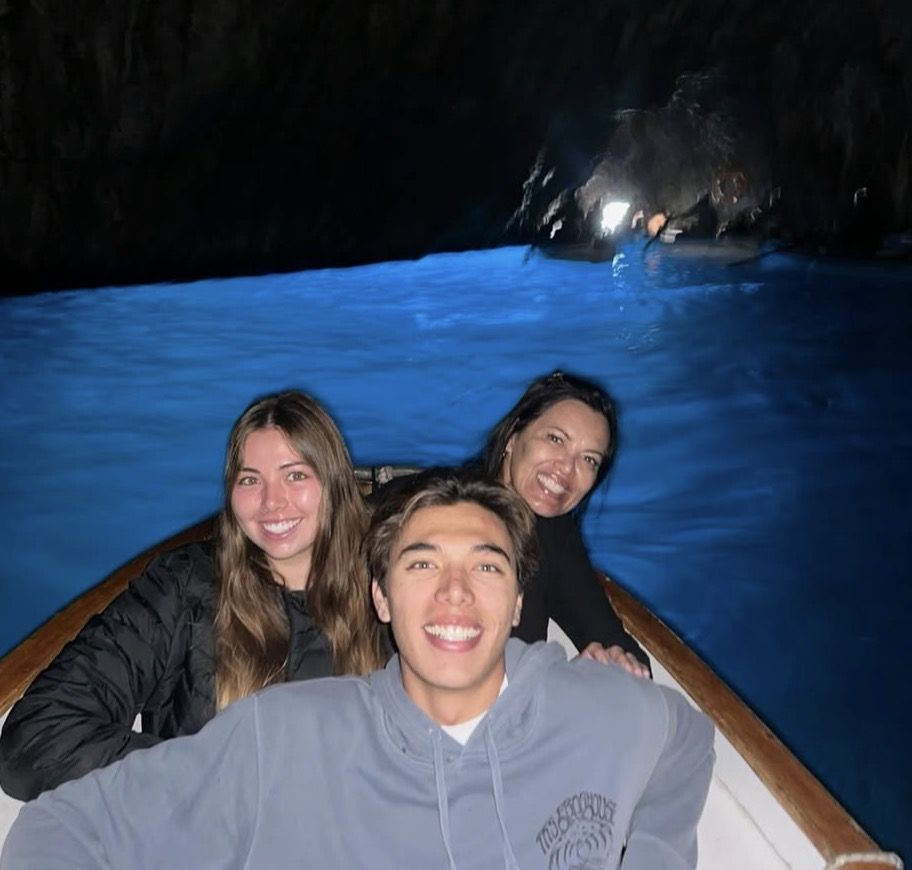
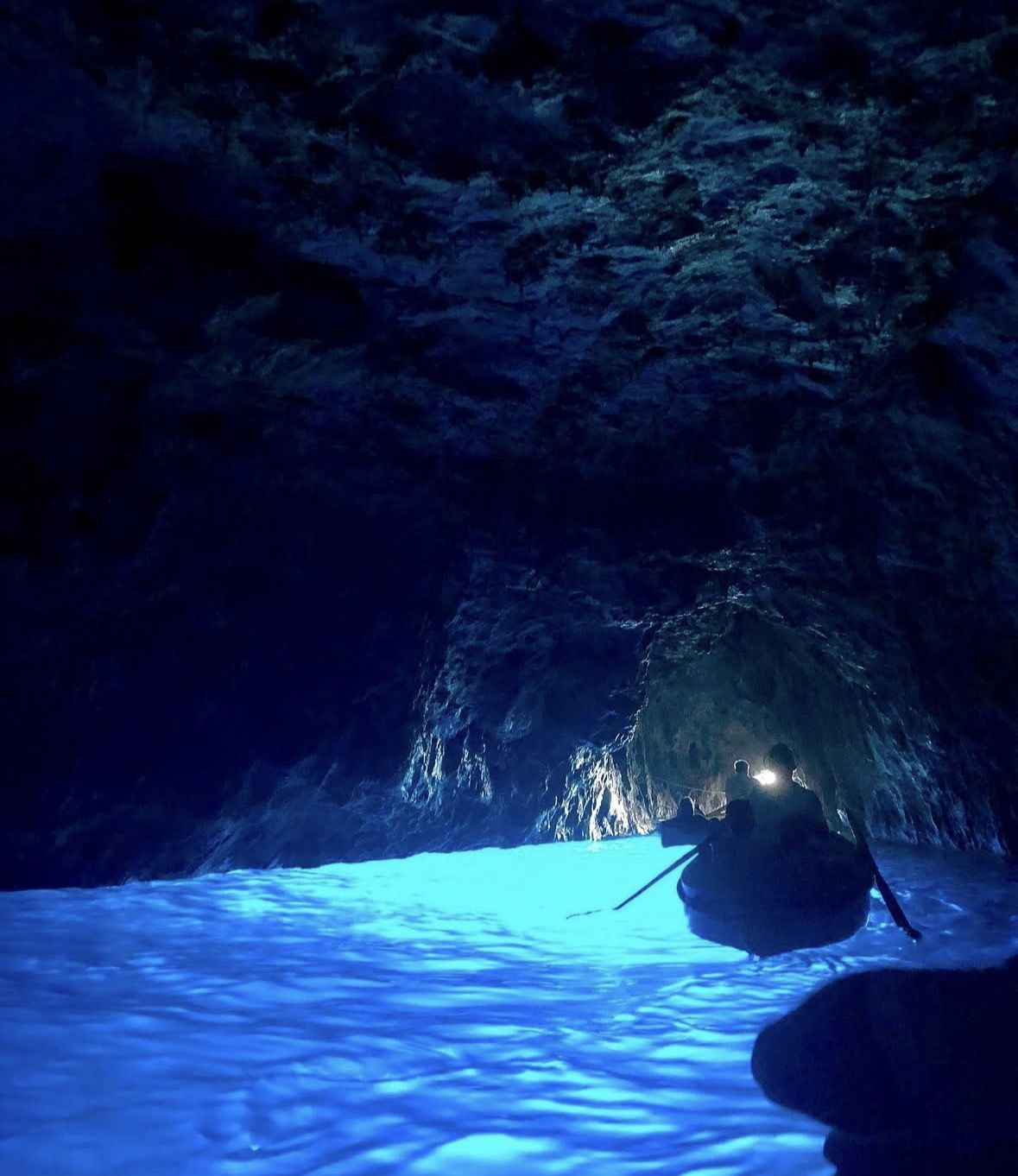
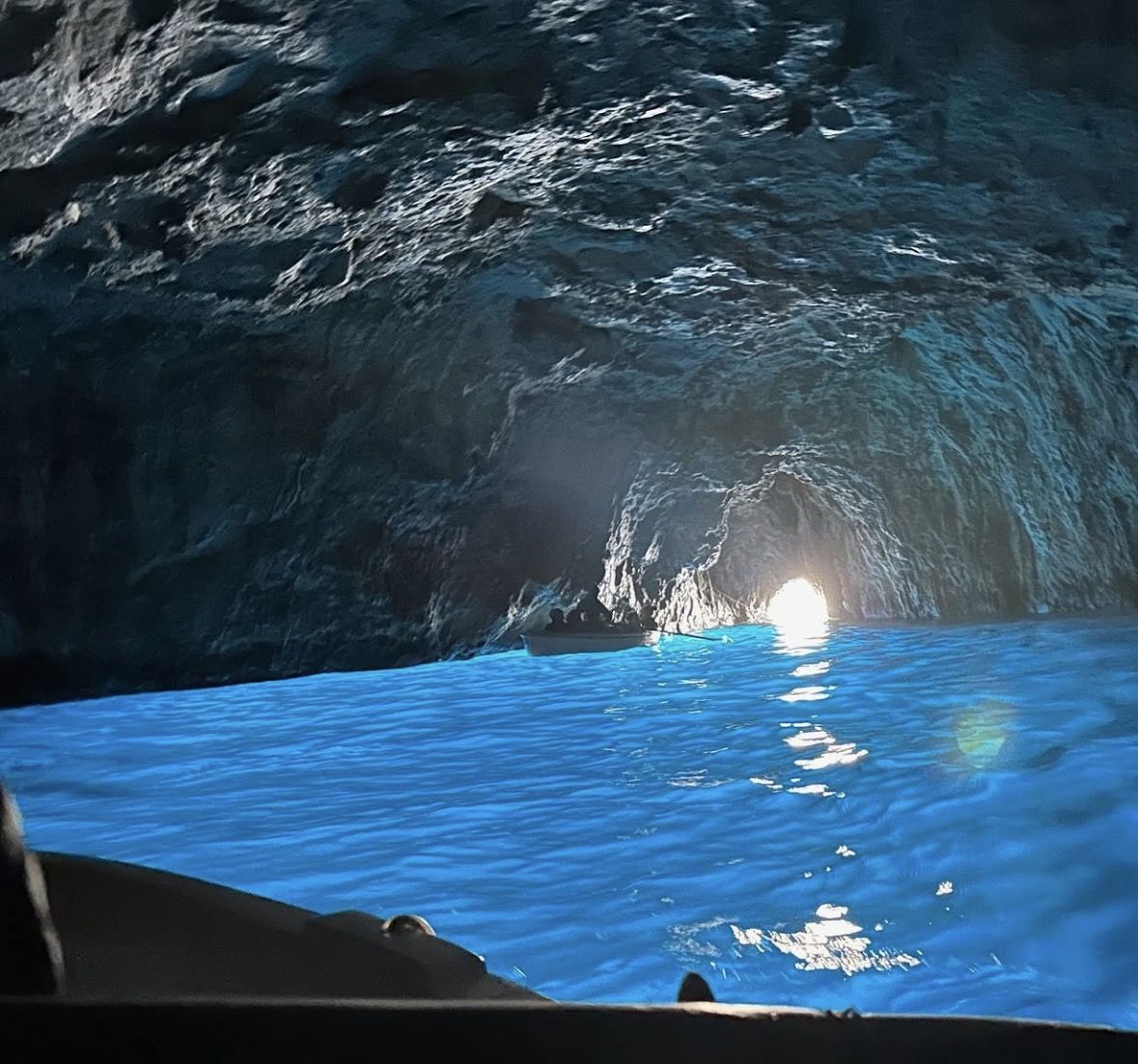
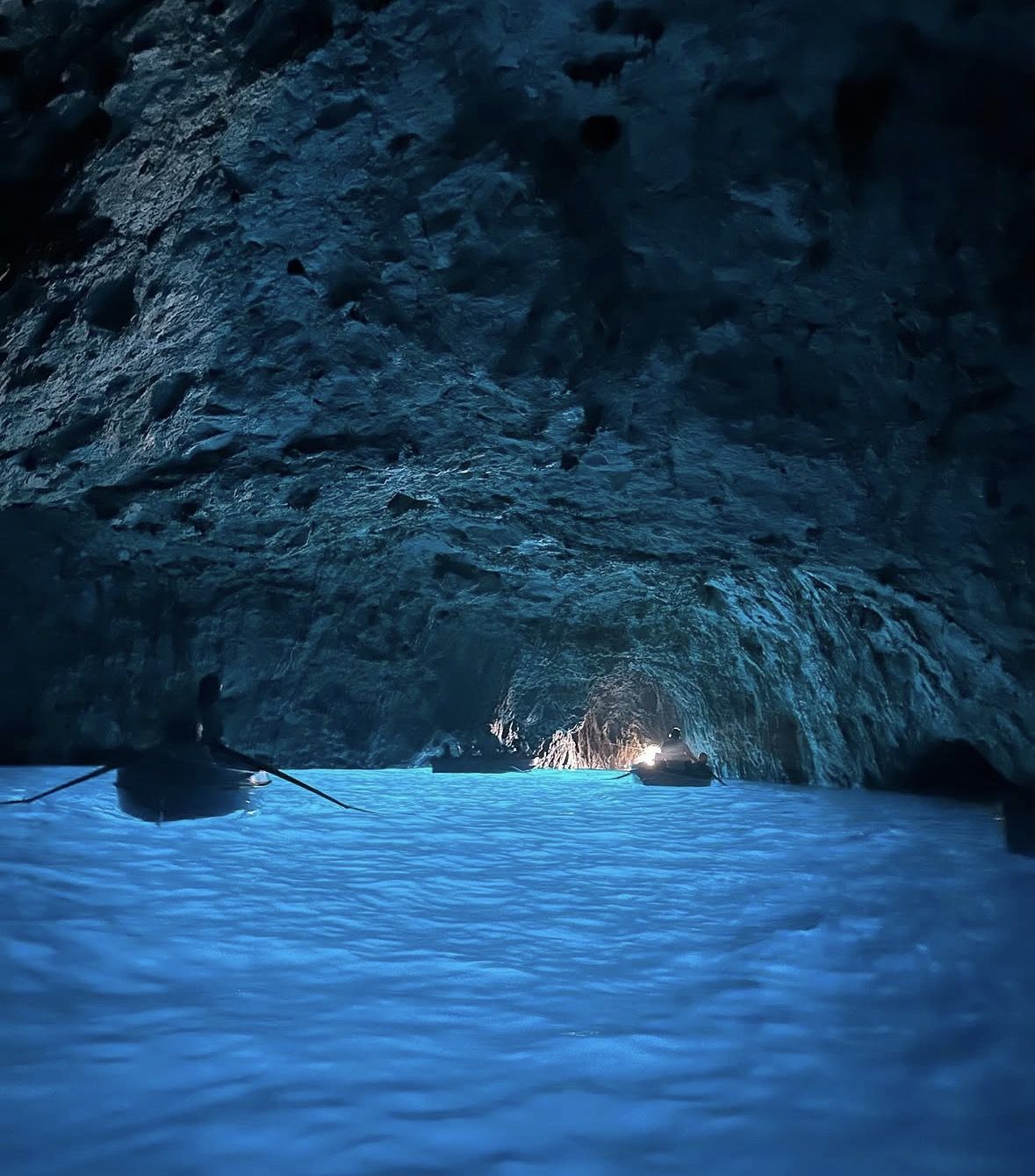
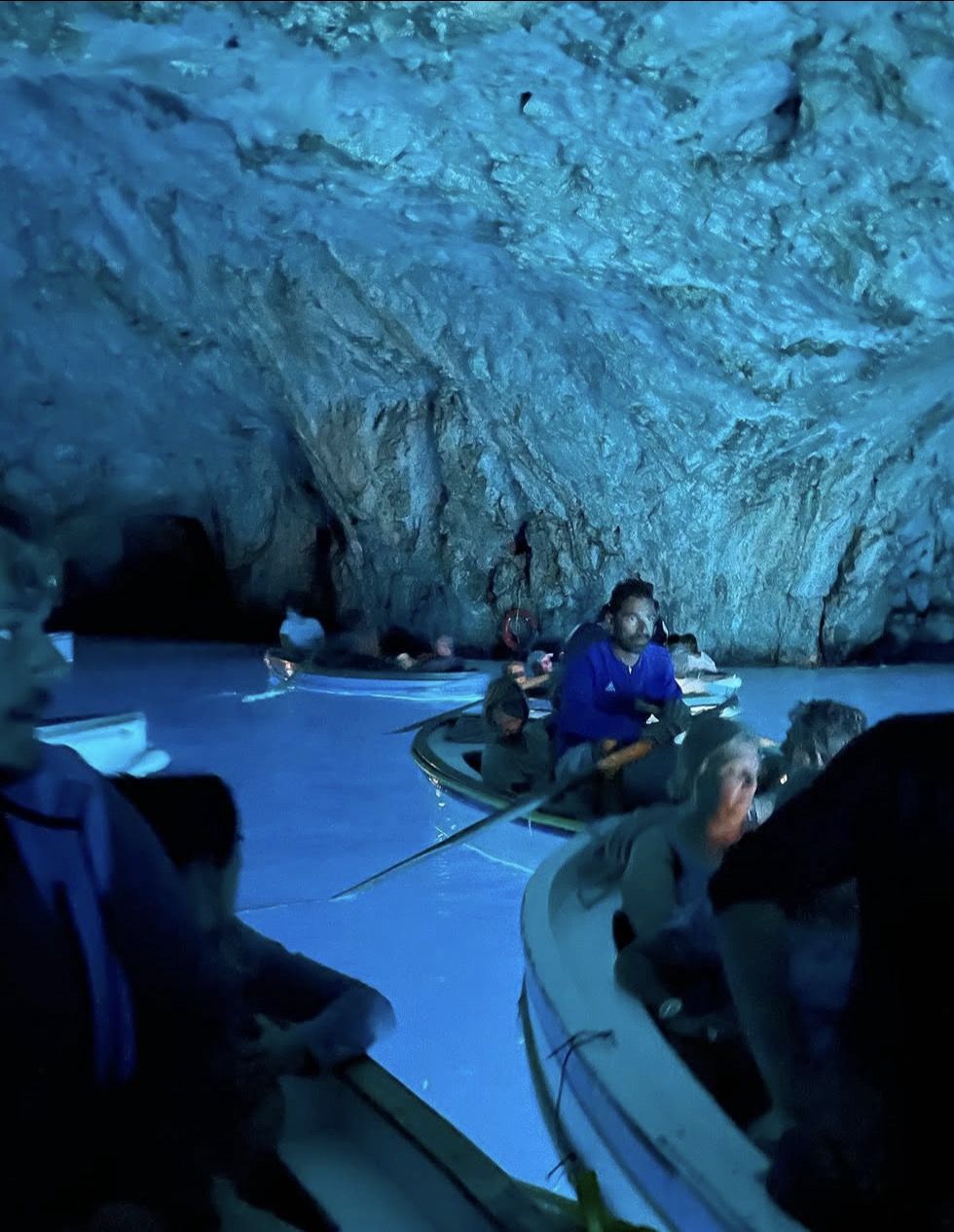
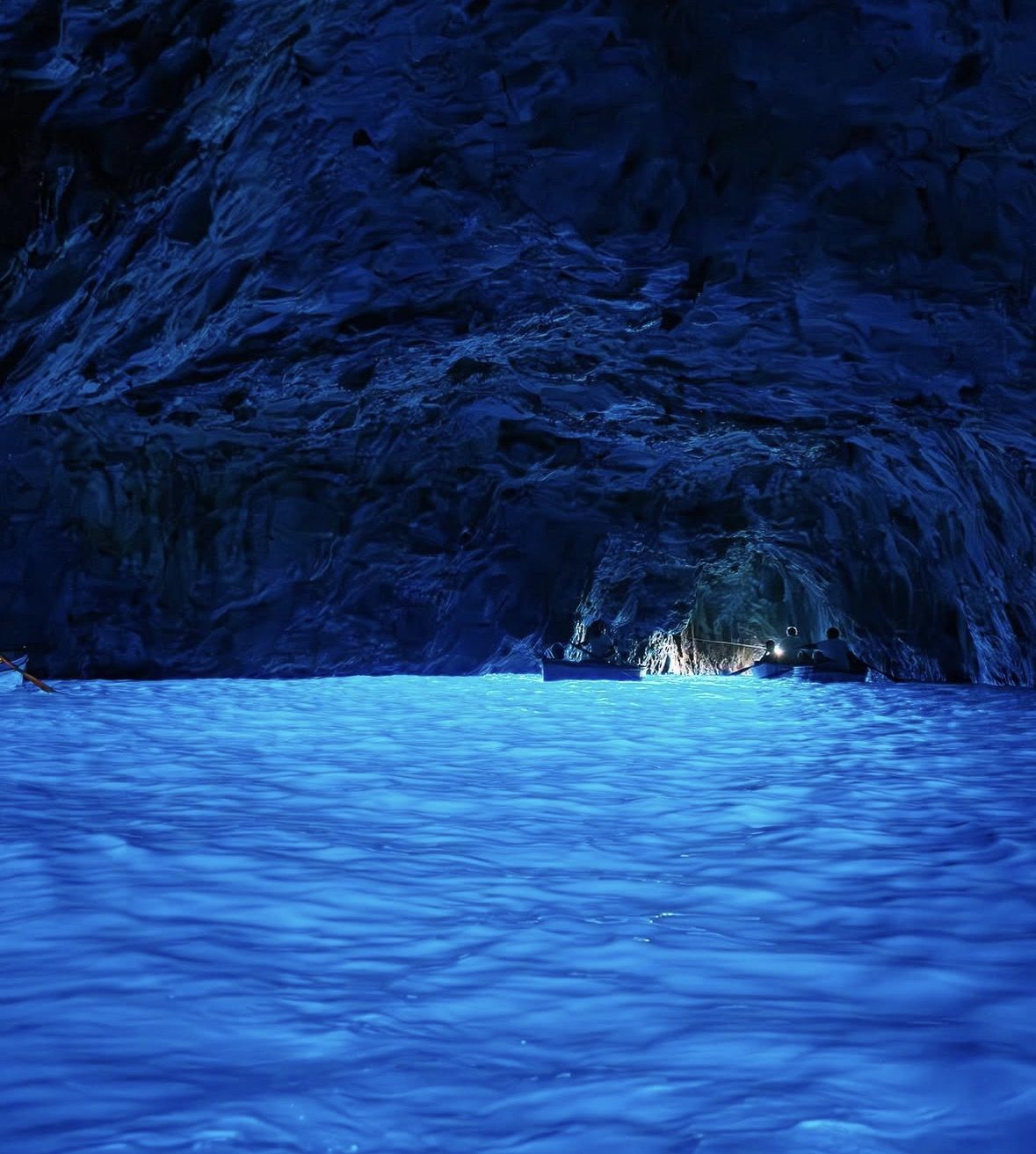
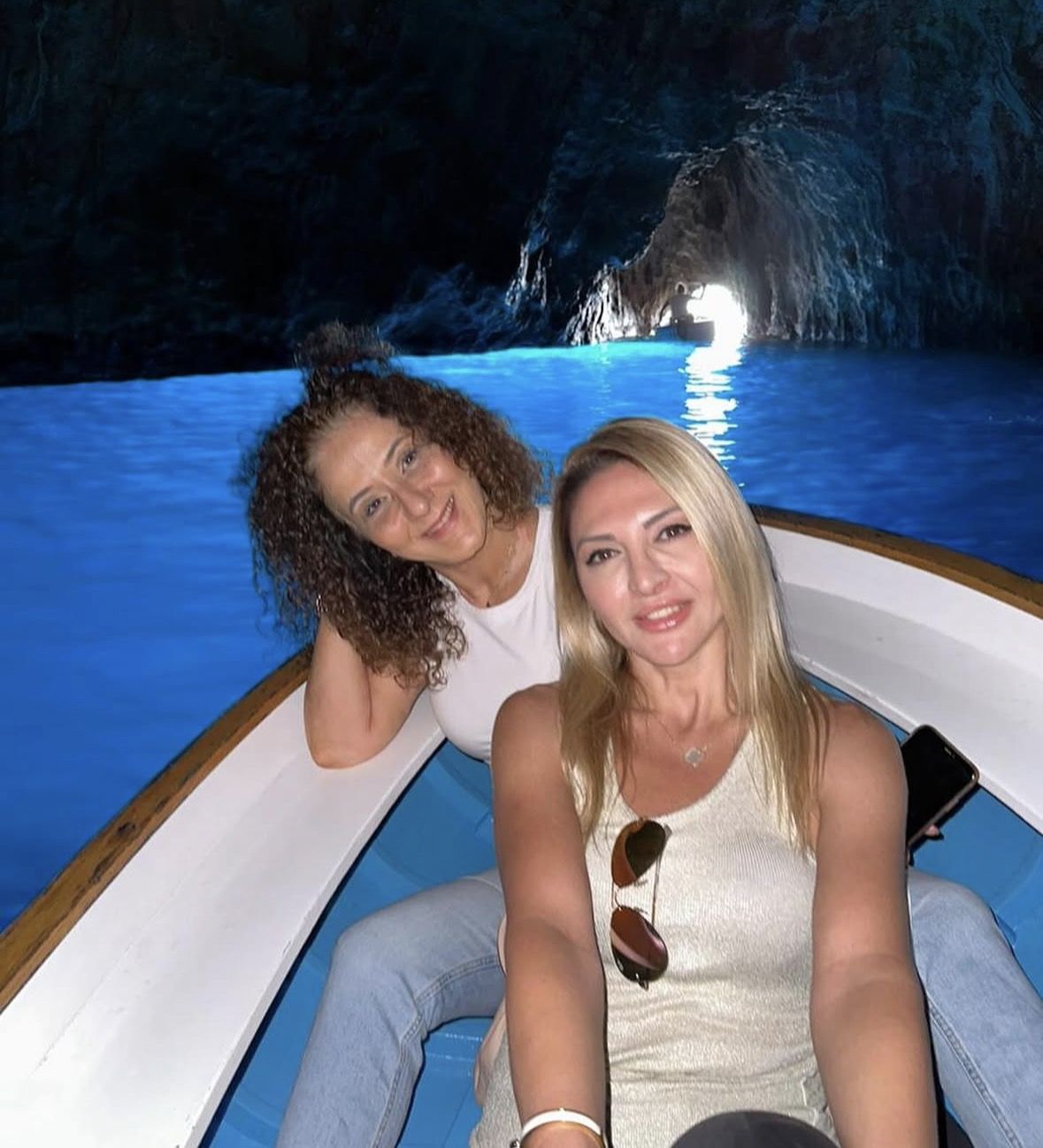
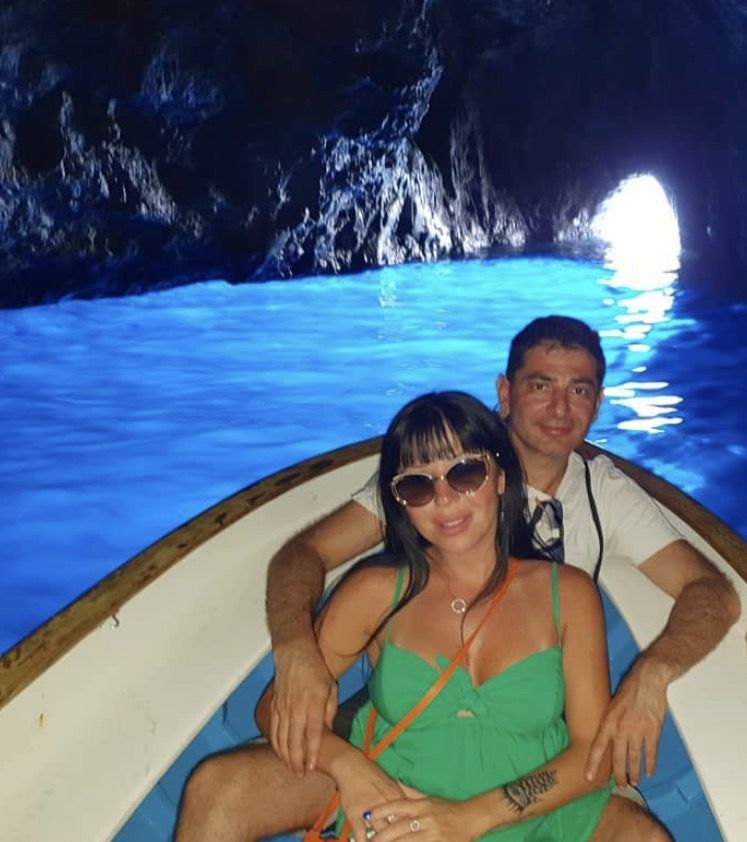
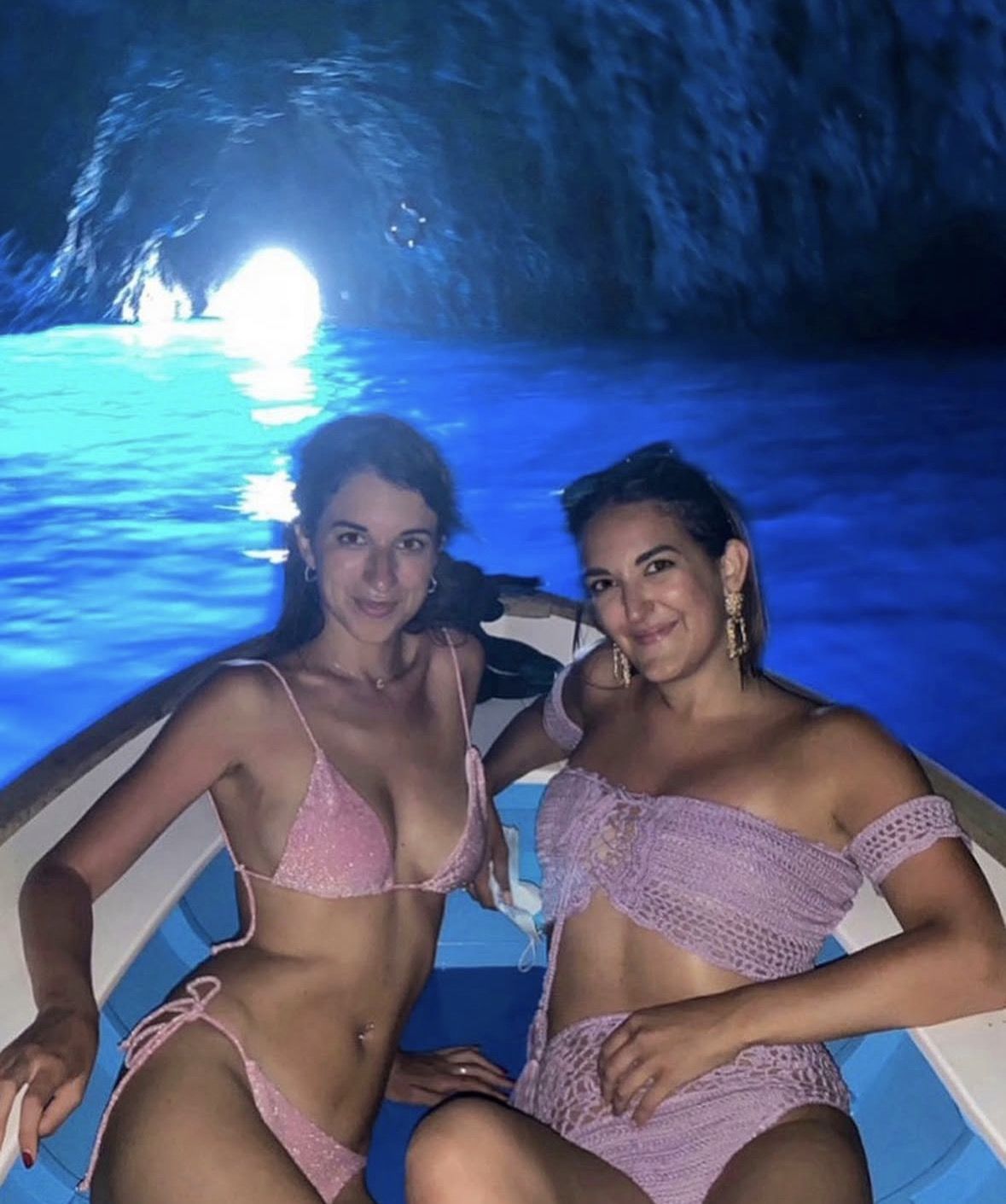
Tucked into the northwestern cliffs of Capri, this luminous sea cave has mesmerised visitors for centuries with its impossibly vivid azure light. Whether you arrive by rowboat at dawn or as part of a full island day trip, the experience is unlike anything else in the Mediterranean.
Featured Tour
The Capri & Blue Grotto Semi Private Boat Day Trip from Sorrento is your passport to one of the Mediterranean's most iconic experiences. Aboard a classic gozzo with no more than eight passengers, you will glide past dramatic coastlines before ducking into the shimmering azure cave that has captivated emperors and artists for millennia. This carefully crafted day blends guided sightseeing with genuine freedom, giving you time to swim, snorkel, browse designer boutiques, and sip an espresso in the famous Piazzetta. Whether you keep it semi-private or upgrade to a fully exclusive arrangement, the Capri & Blue Grotto Semi Private Boat Day Trip from Sorrento delivers an intimate, luxury-feel adventure that larger ferries simply cannot match.
About the Destination
Carved into the cliffs on the island's northwest coast, this luminous cavern draws visitors from across the globe. Its surreal underwater light show is created entirely by nature — no filters required.
Situated along the rugged northwestern shoreline of the island of Capri, in the Gulf of Naples, the Blue Grotto is a sea cave roughly 60 metres long and 25 metres wide. Access is only possible by small wooden rowboat through an entrance just over a metre high, meaning passengers must lie flat as the boatman pulls a chain to guide the vessel inside. The cave sits within Italy's Campania region, making it an easy day trip from Naples, Sorrento, or Positano for travellers exploring the Amalfi Coast.
The cave's history stretches back to ancient Rome. Emperor Tiberius, who ruled from Capri between AD 27 and 37, reportedly used it as a private bathing nymph-eum, and Roman marble statues were discovered on the sea floor here in the twentieth century. After centuries of neglect and local superstition — fishermen believed it was haunted — the grotto was 'rediscovered' by German writer August Kopisch and painter Ernst Fries in 1826, sparking a wave of Romantic-era fascination that turned Capri into an international destination.
Inside, the water appears to glow with an intense, luminescent blue that ranges from sapphire to turquoise depending on the time of day. The effect occurs because sunlight enters through a submerged opening below the boat entrance, refracts through the water, and reflects off the white sandy bottom. Your rowboat guide will typically sing a short Neapolitan song, adding a theatrical charm to the five or so minutes you spend inside. The total excursion — including the boat ride from Marina Grande and waiting time — commonly takes two to three hours.

The cave has a tiny above-water entrance for boats and a much larger submerged opening below sea level. Sunlight floods through the underwater gap, bouncing off the pale sandy floor to create the mesmerising blue glow.
Archaeologists have recovered ancient Roman sculptures and mosaics from the grotto's floor, confirming that Emperor Tiberius transformed it into a lavish nymphaeum. It is believed to have been connected to his Villa Damecuta by a hidden staircase.
The cave's entrance sits barely above sea level, meaning even slight swells can force closure. On days when waves exceed a certain height, authorities shut access entirely for safety — always check conditions before heading out.
Every licensed rowboat guide has a tradition of singing a Neapolitan melody inside the grotto. The acoustics amplify the sound beautifully, and many visitors say this small performance is just as memorable as the light itself.
German writer August Kopisch and painter Ernst Fries documented the cave in 1826, igniting global interest. Their accounts helped transform Capri from a quiet fishing island into one of Europe's most fashionable destinations within a generation.
The cave's protected waters shelter sea sponges, small fish, and marine invertebrates that thrive in its calm, light-diffused environment. Swimming inside is prohibited, but the underwater world is visible from the rowboat.
The signature experience: board a traditional wooden rowboat at the cave mouth, lie flat, and glide through the low entrance into the glowing chamber. Your oarsman will narrate the history and sing for the full effect.
Most capri boat tour blue grotto packages include a full loop around the island, passing the Faraglioni rock arches, the White and Green Grottos, and the dramatic cliffs of the Punta Carena lighthouse.
While swimming inside the grotto is not permitted, boat tours frequently stop at crystal-clear coves nearby where passengers can snorkel and cool off in the calm Tyrrhenian waters.
Combine your grotto visit with a trip up to Anacapri by local bus or taxi, exploring the hilltop village's white-washed streets, Villa San Michele, and panoramic viewpoints before descending to the shoreline.
After your cave visit, take the short walk through Capri Town to the terraced Gardens of Augustus for sweeping views over the Faraglioni and the Marina Piccola bay — one of the island's most photogenic lookouts.
For a more exclusive experience, charter a private speedboat from Marina Grande or from Sorrento. This allows you to time your grotto arrival for the optimal midday light and avoid the peak-season queues at the cave entrance.
Planning a Mediterranean sea-cave adventure? Here's how Capri's iconic grotto stacks up against other celebrated coastal caverns.
Travellers debating where to spend their limited holiday days often weigh sea caves against one another — and rightly so, since the experience, crowds, and cost can vary dramatically. Blue Grotto Capri is widely regarded as the world's most famous sea cave, but destinations like Sardinia's Neptune's Grotto, Malta's Blue Grotto, and Croatia's Blue Cave on Biševo offer compelling alternatives. This table gives you a clear side-by-side view to help you decide which fits your travel style, budget, and tolerance for queues.
| Crowds | Price | Best For | What Sets It Apart | |
|---|---|---|---|---|
| ★ Blue Grotto Capri | Very High in summer | €18 rowboat + boat transfer | Iconic bucket-list experience | Legendary azure glow, Roman history, singing boatmen |
| Neptune's Grotto, Sardinia | Moderate | ~€13 entry | Dramatic stalactite formations | Accessible by cliff-side staircase or boat; far larger interior |
| Blue Grotto, Malta | Moderate–High | ~€8–10 boat ride | Budget-friendly sea cave visit | Multiple adjoining caves; brilliant turquoise reflections at sunrise |
| Blue Cave, Biševo (Croatia) | High in peak season | ~€15 entry + excursion | Pristine Adriatic setting | Silver-blue light effect; combines well with Hvar island trips |
Each of these sea caves offers its own brand of natural theatre, but Blue Grotto Capri remains unmatched for sheer cultural prestige and the intensity of its cobalt light effect. The Roman heritage, the theatrical rowboat entry, and its setting on one of the Mediterranean's most glamorous islands create a combination no rival can quite replicate — making it worth every minute of the queue for first-time visitors.
Travel Guide
Everything you need to plan a smooth, unforgettable visit to Capri's most legendary sea cave.
The most common starting point is Naples, which is served by international flights into Naples Capodichino Airport (NAP). From there, take the Alibus shuttle or a taxi to the Port of Naples (Molo Beverello), where high-speed ferries and hydrofoils depart regularly for Capri's Marina Grande. The journey takes approximately 50 minutes by hydrofoil or 80 minutes by slower ferry. Sorrento is an equally popular base, with hydrofoils crossing to Capri in just 20–25 minutes from the town's central harbour.
Once you arrive at Marina Grande, you have two main options to reach the cave. The fastest is to join a capri boat tour blue grotto excursion directly from the marina — boats depart throughout the morning. Alternatively, take a local bus or taxi up to Anacapri, then descend via a small road to the grotto's external landing stage, where you board a rowboat directly. Note that the boat from Marina Grande includes the scenic coastal journey, which many visitors consider an essential part of the experience.
The ideal months to visit are May, early June, and September, when the summer crowds have not yet peaked or have begun to thin, sea conditions are generally calm, and the weather is reliably warm and sunny. The light inside the cave is most spectacular around midday — roughly 12:00 to 14:00 — when the sun is high enough to flood the underwater opening at maximum intensity. Visiting on a clear, sunny day makes an enormous difference; overcast skies significantly mute the blue glow.
July and August are the busiest months, with wait times outside the cave sometimes exceeding two hours. Winter visits are possible on calm days, but the cave closes frequently due to rough seas between November and March. Spring offers a beautiful balance: lush island vegetation, manageable crowds, and favourable sea conditions. Autumn, particularly October, provides warm water, golden light, and notably shorter queues, making it a favourite among seasoned travellers to the island.
The cave visit itself requires no special gear, but the wider Capri day trip calls for thoughtful preparation. Comfortable non-slip footwear is essential — boat decks and rocky landing stages can be slippery when wet. Bring a waterproof bag or dry-sack for your phone and camera, as spray from the sea and the low cave entrance can dampen belongings unexpectedly. A light jacket is wise for early morning boat departures, when the sea breeze can feel surprisingly cool even in summer.
Sun protection is non-negotiable on the open water. A wide-brimmed hat, UV-rated sunglasses, and SPF 50 sunscreen will shield you during the boat ride and any time spent waiting in open boats outside the cave. Swimwear is worth packing if your tour includes a swimming stop at a coastal cove. Keep cash handy — the rowboat entry fee and some vendors on the island are cash-only, and ATMs on Capri can have queues or surcharges during peak season.
Locals and repeat visitors consistently offer the same advice: arrive early or go at midday, never visit on a whim without checking the sea conditions first, and always book your boat excursion in advance during June through September. The cave can close with very little notice if winds pick up, so build flexibility into your itinerary. If the grotto is shut when you arrive, it is worth waiting an hour — conditions can change quickly, and a window of calm often reopens access by mid-morning.
Tipping your rowboat oarsman is customary and appreciated — €2 to €5 per person is standard. The boatmen are licensed guides who rely on tips to supplement their regulated entry-fee income. On Capri itself, dining near the Piazzetta is expensive; walk a street or two away for far better value. Many restaurants add a coperto (cover charge) of €2–4 per person, so factor that into your budget. Credit cards are now widely accepted in shops and restaurants, though smaller vendors and boat operators often prefer cash.
No special vaccinations are required for travel to Italy, which is part of the EU and maintains high public health standards. The main health considerations on a Capri boat trip are sun exposure and seasickness. The open Mediterranean sun at midday is intense — dehydration and sunburn can set in quickly on exposed boat decks. Bring sufficient water (at least 1.5 litres per person), apply sunscreen regularly, and seek shade during peak UV hours between 11:00 and 15:00 when not actively touring.
The rowboat entry involves lying flat in a small vessel that rocks in the swell — if you suffer from claustrophobia or severe motion sickness, consider whether this is right for you. Passengers with limited mobility should inform their tour operator in advance, as boarding the low rowboat can be physically demanding. Emergency services on Capri are efficient; the island has a small hospital and a coastguard station. In any emergency, dial 112 (pan-European), 118 (Italian medical), or 1530 (Italian coastguard).
Explore More
Extend your island adventure with these unmissable attractions just minutes from the grotto.

The Capri Blue Grotto Small-Group Boat Day Tour From Sorrento is widely praised as the perfect way to experience the island in the early morning, well ahead of peak crowds.
Check this tour →
The Ultimate Capri & Blue Grotto Day Tour from Naples or Sorrento is your all-in-one passport to the island's greatest highlights.
Check this tour →
The Small Group Tour from Naples to Blue Grotto, Anacapri and Capri is the definitive way to experience Italy's most glamorous island without the stress of planning.
Check this tour →
The Small Group Tour from Sorrento to Blue Grotto, Anacapri and Capri is your ultimate gateway to the island's most iconic wonders.
Check this tour →
The Capri Coast to Coast: Boat Tour with Optional Blue Grotto takes you on a complete circumnavigation of one of Italy's most dazzling islands.
Check this tour →
The Full-Day Capri, Anacapri and Blue Grotto Tour from Sorrento packs everything the island is famous for into a single seamless experience.
Check this tour →
The Capri & Blue Grotto Semi Private Boat Day Trip from Sorrento is your passport to one of the Mediterranean's most iconic experiences.
Check this tour →
The Capri Boat Tour with Optional Blue Grotto Visit from Sorrento is your best chance to experience Capri completely in a single day.
Check this tour →
The Capri and Blue Grotto Day Tour from Naples or Sorrento is the ultimate way to experience everything this legendary island has to offer.
Check this tour →Traveler Reviews
Travellers from around the world share their unforgettable experiences visiting Blue Grotto Capri.
"Visiting the Blue Grotto was honestly one of the most magical moments of my entire trip to Italy. The moment our small rowboat slipped through that tiny entrance and the cave lit up in this impossibly vivid cobalt blue, I genuinely gasped. Our oarsman was charming and even sang a short Neapolitan song inside, which echoed beautifully off the walls. Yes, the queue took about 90 minutes, but every single second inside was worth it. I'd do it all over again without hesitation."
"We booked a capri boat tour blue grotto package and it was absolutely the highlight of our Amalfi Coast holiday. The guide on the larger boat explained the history and the science behind the glowing water before we even arrived, which made the experience so much richer. Lying flat in the tiny rowboat to squeeze through the low entrance feels like something out of an adventure story. Inside, the light is unlike anything I have ever seen — photos simply do not do it justice. Highly recommend booking early in the morning to beat the crowds."
"The grotto itself is breathtaking and the electric blue colour of the water is completely surreal — it looks almost artificially lit. We waited about two hours in the queue, which was the only downside of the whole experience. Our rowboat guide was wonderful and pointed out the Roman-era swimming steps carved into the cave walls, a detail I never would have noticed on my own. I'd suggest going on a weekday in early May or late September to avoid peak summer crowds. Still a four-star memory I'll treasure forever."
"I had been dreaming about visiting this famous sea cave for years, and the reality exceeded every expectation. The capri boat tour blue grotto combination we chose departed from Marina Grande and included a full island circumnavigation, so we saw all the other grottos and the famous Faraglioni rock arches too. The transition from the big boat to the little wooden rowboat is surprisingly smooth, and the boatman made us feel completely safe. Inside the grotto, the silence and the glowing blue light create an almost spiritual atmosphere. An absolute must-do on Capri."
"What a truly special place. We arrived at around 9 a.m. and the queue was already forming, but it moved steadily and we were inside within an hour. The rowboat oarsman was incredibly skilled, pulling the chain on the cave wall and dipping the boat so swiftly that the whole entry felt seamless. Once inside, you have roughly five minutes, but time seems to slow down — the luminous turquoise water beneath you looks like liquid light. I brought waterproof sunscreen because the sun on the water while waiting can be fierce, which I'd definitely recommend to others."
"The cave lives up to its legendary reputation — the colour of the water is genuinely astonishing and unlike anything I've seen at other sea grottos around the Mediterranean. I docked one star purely because the five-minute visit feels very rushed, and the €18 entry fee on top of the boat transfer cost adds up quickly. That said, our guide made every moment count by pointing out the Roman nymphaeum carvings and explaining how the light enters through an underwater opening. I'd still say it is one of those iconic travel experiences worth doing at least once. Go early and check sea conditions before you head out."
"We were lucky enough to visit Blue Grotto Capri on a perfectly sunny mid-October morning when the summer crowds had thinned out considerably. The wait was only about 40 minutes, which felt almost too easy compared to stories we'd heard from friends who visited in August. The light inside was so intensely blue it made the water look illuminated from below, like something from a fantasy film. Our rowboat guide sang 'O Sole Mio' as we floated inside, and the acoustics in the cave made it sound incredible. A genuinely unforgettable experience."
"I joined a capri boat tour blue grotto excursion departing from Sorrento and it was a brilliantly organised full-day trip. The larger tour boat was comfortable and the crew provided cold drinks and umbrellas for shade while we waited our turn to transfer to the rowboats. The cave entrance is shockingly small — you have to lie completely flat and hold your breath instinctively — but the guide keeps you completely at ease. Floating inside with that otherworldly blue glow surrounding you is genuinely one of the most beautiful things I have ever witnessed. Worth every euro and every minute of waiting."
Watch Before You Go
Watch the ethereal blue light in action before you book your visit.
Location
The Blue Grotto is located on the northwestern coast of Capri island, at Via Grotta Azzurra, 80071 Anacapri, Naples, Italy.
FAQ
Everything you need to know before visiting one of Italy's most iconic natural wonders.
Ready to see the legendary blue glow for yourself?
Book Your Tour NowDiscover More
Long before tourists queued in rowboats outside its low entrance, the Blue Grotto served as a private imperial retreat for one of Rome's most reclusive emperors. Its story winds from ancient marble sculptures on the sea floor to a nineteenth-century German painter who introduced it to the world.